

Aynsley China represents one of the most enduring names in British ceramics. Known for its delicate bone china, refined decoration, and long-standing connection to royal patronage, Aynsley built a reputation that spans more than two centuries. Its pieces continue to attract collectors and admirers who value craftsmanship, history, and design.
From its early beginnings in Staffordshire to its later evolution into a globally recognized brand, Aynsley reflects both tradition and innovation. Understanding its history helps you appreciate why these pieces remain so desirable today.
The Origins of Aynsley China
John Aynsley founded the company in 1775 in Lane End, Longton, located in the heart of Staffordshire’s pottery industry. At the time, the region stood at the center of English ceramics production, and many skilled artisans worked there.
Initially, the business focused on earthenware. However, demand for finer materials grew quickly, and Aynsley adapted. Over time, the company shifted toward producing high-quality bone china, which offered a lighter, more refined appearance.
This transition marked an important turning point. Bone china allowed for greater detail, improved translucency, and a more elegant finish. As a result, Aynsley began to distinguish itself from competitors.
Growth and the Portland Works Era
During the 19th century, the company expanded under the leadership of John Aynsley II. In 1861, he established the Portland Works factory in Longton. This facility became the center of production and played a key role in shaping the brand’s identity.
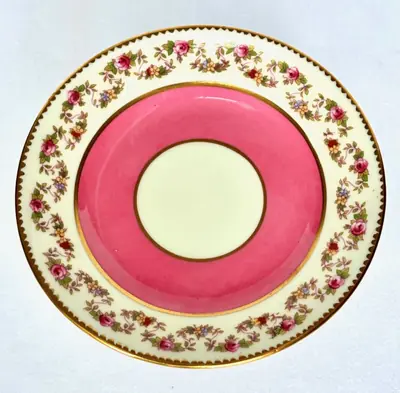
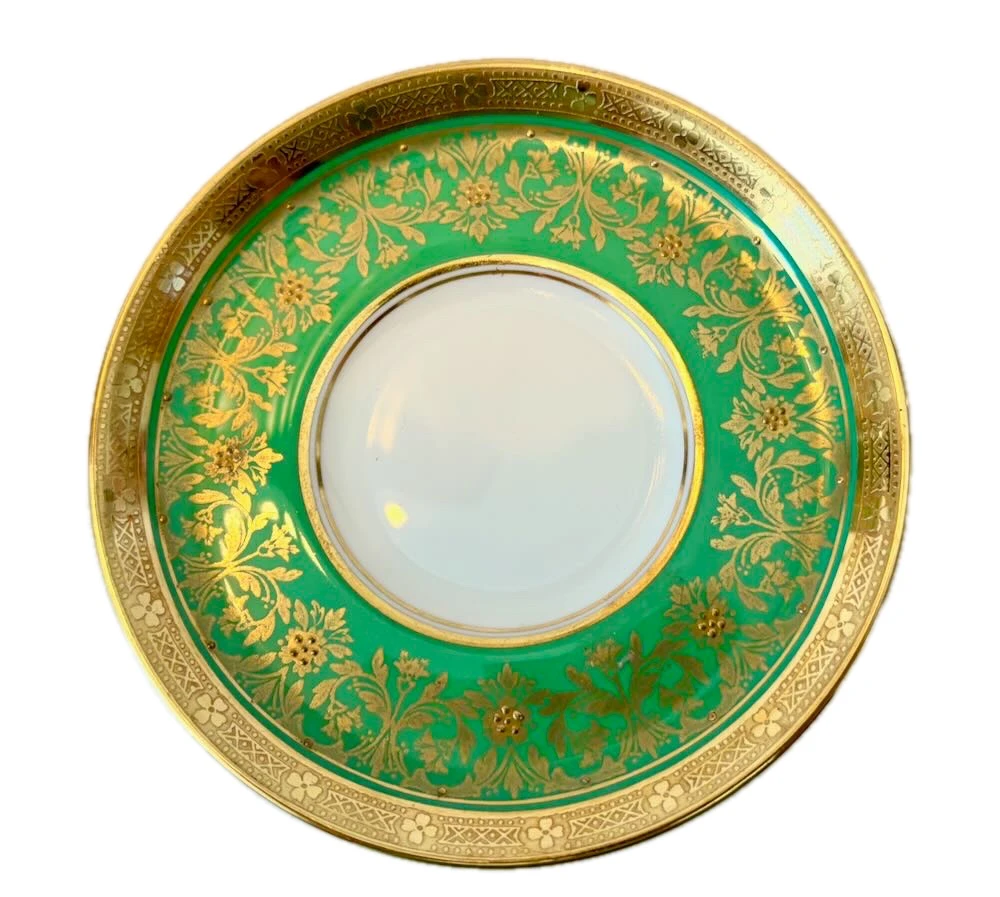
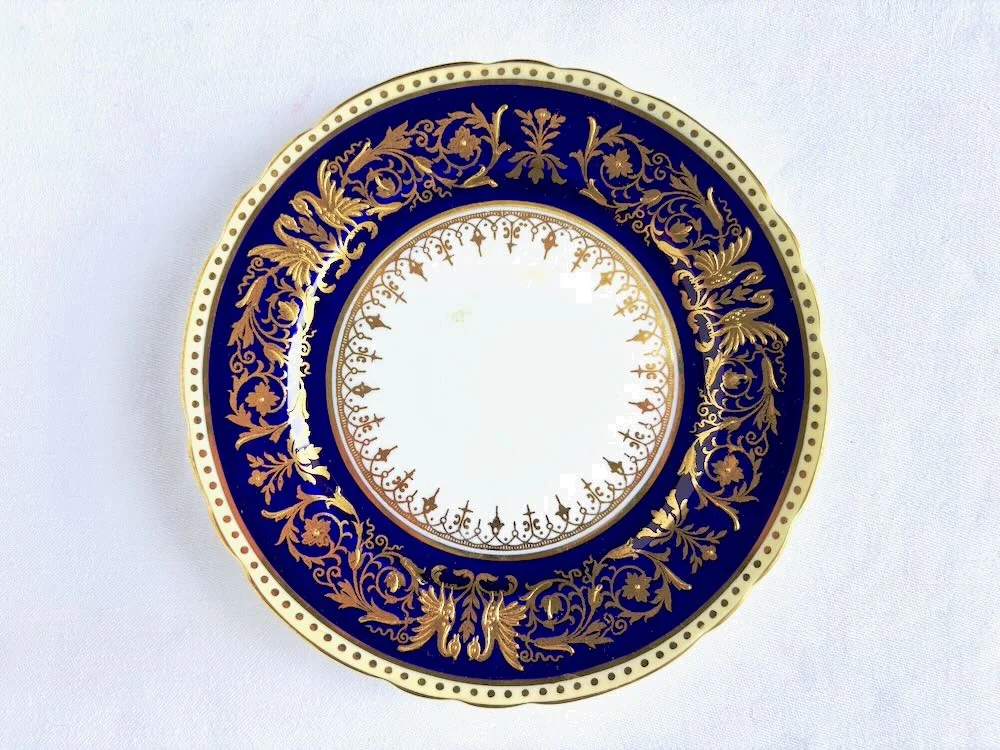
At Portland Works, Aynsley refined its techniques and focused on quality. Skilled decorators applied hand-painted designs, often featuring floral motifs, fruit studies, and intricate gilding. These decorative styles helped define the company’s visual language.
At the same time, John Aynsley II took an active role in the local community. He supported improvements in working conditions and contributed to civic initiatives. This approach reflected a broader philosophy that combined business success with social responsibility.
Royal Connections and Prestige
Aynsley gained recognition not only for its craftsmanship but also for its association with the British royal household. Over the years, the company received Royal Warrants and supplied fine china for prestigious occasions.
Royal connections strengthened the brand’s reputation. For example, members of the royal family selected Aynsley pieces as official wedding gifts. Queen Mary also favored certain designs, including the elegant “Tulip” shape introduced in the early 20th century.
These associations reinforced the idea that Aynsley china represented both quality and refinement. As a result, collectors began to view the brand as a symbol of traditional English excellence.
Iconic Patterns and Designs
Aynsley became known for its distinctive patterns, many of which remain highly collectible. The company balanced classic influences with vibrant decoration, creating designs that appealed to a wide audience.
Some of the most recognized patterns include:
- Pembroke, inspired by 18th-century embroidery, featuring birds and floral elements
- Cottage Garden, known for its colorful flowers and butterfly motifs
- Orchard Gold, celebrated for its richly detailed hand-painted fruit against a deep gold background
- Wild Tudor, a dense floral design that reflects traditional English garden themes
These patterns showcase the company’s ability to combine artistry with precision. In particular, hand-painted fruit designs by skilled artists gained strong recognition among collectors.
Beyond Tableware: Expanding the Brand
Aynsley did not limit itself to traditional dinnerware. During the mid-20th century, the company expanded into decorative and wearable items. It produced fine bone china jewelry, including brooches and pendants that matched popular patterns.
This expansion demonstrated the versatility of the material and the brand’s willingness to explore new markets. It also helped introduce Aynsley to a broader audience.
Changes in Ownership and Later Years
Like many historic manufacturers, Aynsley experienced changes in ownership during the late 20th century. In 1970, the company became part of a larger glass and ceramics group. Later, it changed hands again as the industry evolved.
Production continued in Staffordshire for many years. However, manufacturing in Stoke-on-Trent eventually came to an end in 2014. This marked the close of a significant chapter in English ceramics history.
Despite this shift, Aynsley pieces remain widely available on the secondary market. Collectors continue to seek out both antique and vintage examples.
Why Aynsley China Remains Collectible
Several factors contribute to the lasting appeal of Aynsley china. First, the craftsmanship stands out. Many pieces feature hand-painted decoration, which gives each item a unique character.
Second, the designs remain timeless. Floral patterns, fruit studies, and elegant shapes continue to complement both traditional and modern interiors.
Collectors often look for:
- Early pieces from the 19th and early 20th centuries
- Hand-painted examples, especially signed works
- Complete tea sets or service pieces
- Patterns that are no longer in production
Condition also plays a role. Well-preserved pieces with intact gilding and minimal wear tend to attract stronger interest.
Caring for Aynsley China
Proper care helps maintain both the beauty and value of Aynsley china. Because many pieces include hand-painted details and gilded accents, you should handle them carefully.
For best results:
- Wash by hand using mild soap and lukewarm water
- Avoid dishwashers, which can damage decoration and cause fine cracking
- Dry immediately with a soft cloth
- Store carefully to prevent contact and scratching
A gentle approach will preserve the finish and keep the decoration vibrant.
The Enduring Appeal of Aynsley
Aynsley China continues to hold a strong place in the world of antiques and collectibles. Its long history, combined with consistent quality and recognizable design, gives it lasting relevance.
Each piece tells a story of craftsmanship, tradition, and evolving taste. Whether displayed in a cabinet or used for special occasions, Aynsley china brings a sense of refinement that few brands can match.
For collectors and enthusiasts alike, it offers both beauty and a connection to over two centuries of English ceramic history.