

A Company Built on European Craftsmanship
Ebeling & Reuss stands as one of the more interesting names in American decorative arts, not because it manufactured anything itself, but because it helped shape what Americans collected and used at home. The company built its reputation by selecting and importing high-quality porcelain and crystal from Europe, then presenting those pieces to the American market under its own branding.
That approach may sound simple, but it required a sharp eye for design, strong relationships with European factories, and a clear understanding of changing consumer tastes. Over time, Ebeling & Reuss became a trusted source for decorative objects that looked refined, European, and distinctive.
Ebeling & Reuss Founders and Early Years
The story begins in 1886, when two young German immigrants, Theodore Ebeling and Frederick Reuss, arrived in the United States. Like many immigrants of the period, they brought both ambition and a connection to European trade networks.
They partnered with John E. F. Zeh, who already operated a glass and china business in Philadelphia. Together, they formed Zeh, Ebeling & Reuss Co. The company focused on importing ceramics and glassware from Europe, a market that was already gaining popularity among American consumers.
By 1900, John Zeh left the partnership. The company continued under the name Ebeling & Reuss, and from that point forward, it developed its own identity as a major importer and distributor.
Building a Presence in the American Market
During the early 20th century, Ebeling & Reuss expanded its reach by working with European manufacturers across Germany, Austria, France, and what is now the Czech Republic. These regions were known for their strong traditions in porcelain and glassmaking.
Rather than producing goods themselves, the company curated collections. It selected pieces that matched American tastes and often rebranded them for sale in the United States. This allowed them to maintain consistency across their offerings, even when sourcing from multiple factories.
Marks such as “ERPHILA” began to appear on imported items. The name combined the company initials with a reference to Philadelphia, making it both a brand and a point of origin for distribution.
The Golden Crown and Brand Identity
As the company grew, it developed additional branding strategies to distinguish its products. One of the most recognized was the “Golden Crown” mark, which appeared on higher-end items.
This branding helped Ebeling & Reuss position its imports as desirable and collectible. It also gave retailers a recognizable name to promote, even when the original European manufacturer remained unknown to the buyer.
This approach worked well in department stores and gift shops, where presentation and perception often mattered as much as origin.
Peak Years and Expanding Imports
After World War II, demand for European decorative arts increased significantly in the United States. Ebeling & Reuss took advantage of this shift by expanding its imports, particularly in porcelain figurines, tableware, and crystal.
During this period, the company distributed pieces from well-known European makers, along with items produced specifically for the American market. Their catalog grew to include a wide range of styles, from traditional porcelain to more modern decorative pieces.
This post-war period marked the company’s peak. It became one of the more visible importers supplying European goods to American homes.
From Porcelain to Crystal
While Ebeling & Reuss built its early reputation on porcelain, it later expanded into crystal and glassware. This shift reflected changing tastes in the mid-20th century, when entertaining and barware became more prominent in American culture.
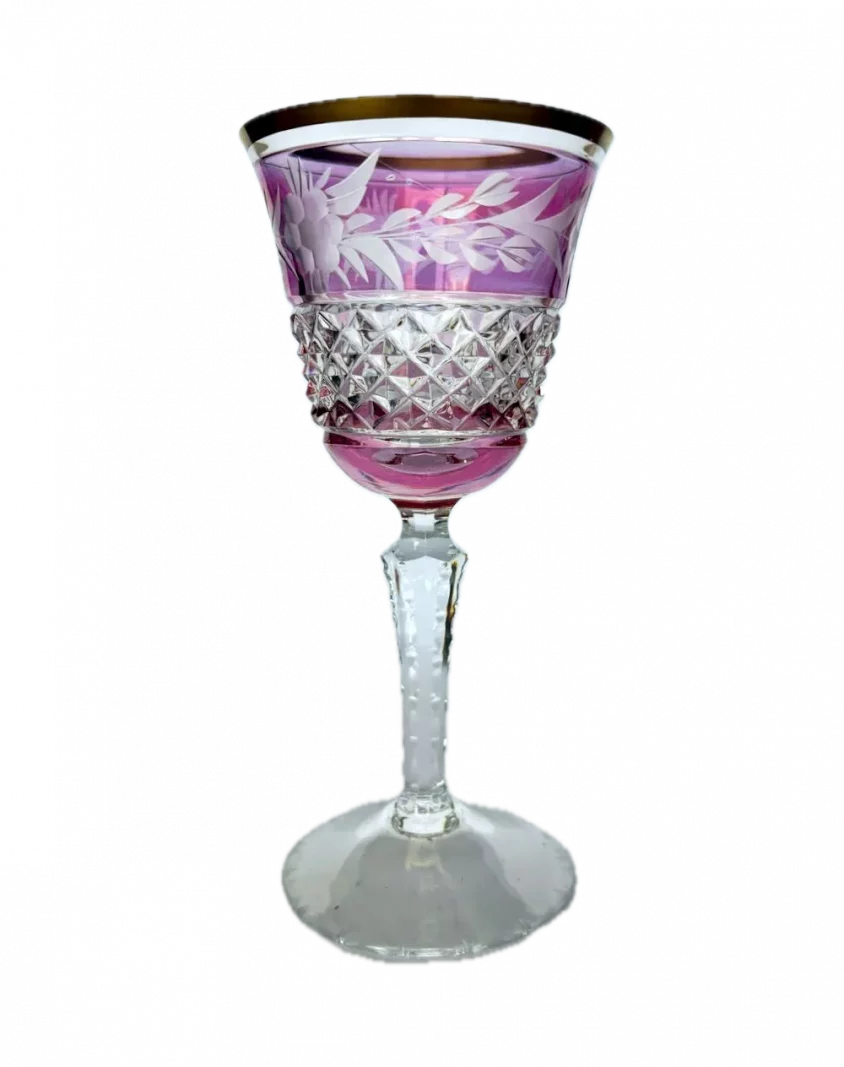
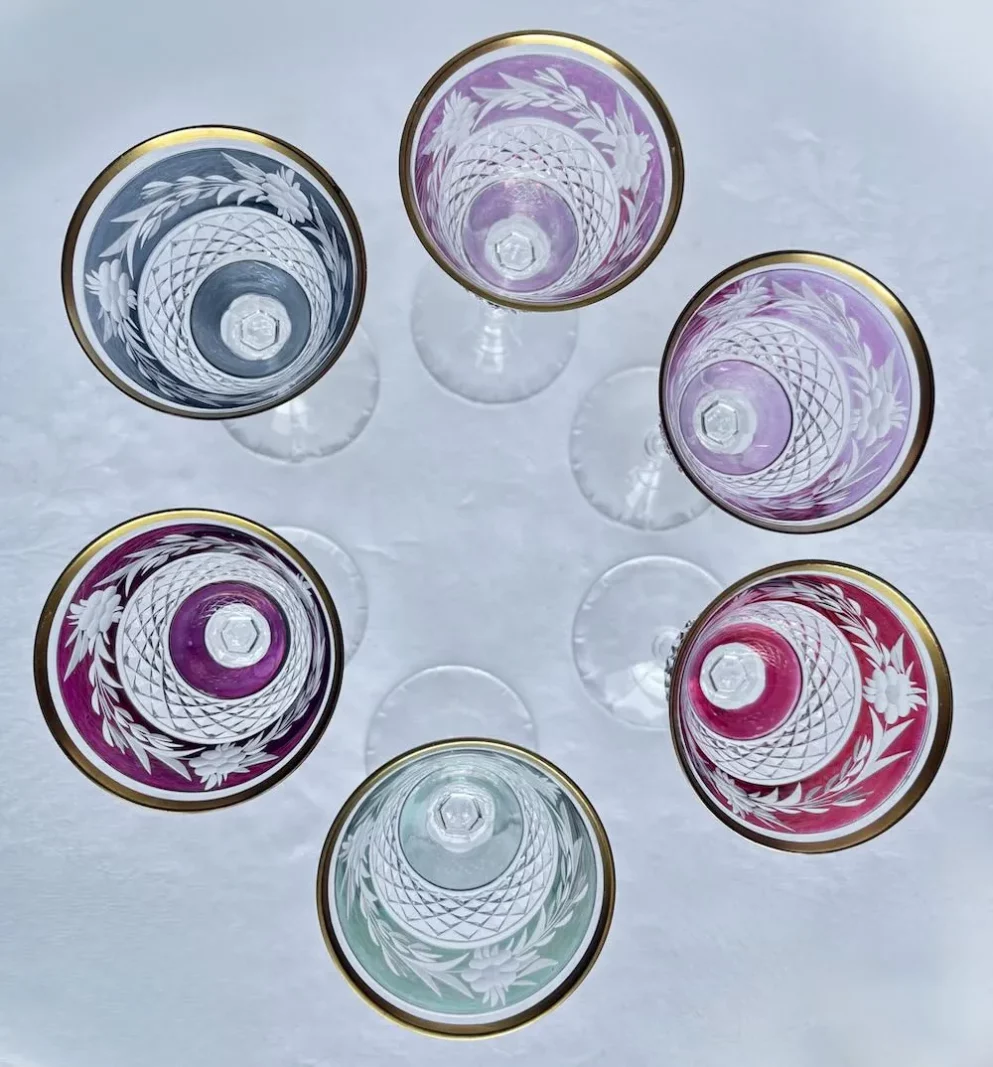
The company introduced and distributed a variety of crystal patterns, often featuring rich colors, detailed cutting, and gold accents. These pieces appealed to buyers looking for something elegant but still accessible.
Among these lines, certain patterns gained lasting recognition and continue to appear in the secondary market today.
Ebeling & Reuss: Challenges and Changing Markets
By the late 20th century, the market for imported European goods began to change. Production costs increased, and consumer preferences shifted toward simpler designs. At the same time, competition grew from both domestic producers and international manufacturers offering lower-cost alternatives.
Ebeling & Reuss faced financial pressure during this period and eventually filed for bankruptcy in 1988. The company later recovered in part through a major legal settlement and continued operations in a reduced form.
Transition and Modern Status
In 2002, Ebeling & Reuss was sold to the Strathmore Corporation of Pennsylvania. Under new ownership, the brand continued as an importer and distributor rather than a manufacturer.
Today, the name survives in a limited capacity, but most pieces associated with Ebeling & Reuss come from earlier periods. As a result, the company’s legacy lives on primarily through the secondary market, where collectors seek out its imported porcelain and crystal.
Why Ebeling & Reuss Collectors Still Pay Attention
Ebeling & Reuss remains relevant because of the role it played in bringing European craftsmanship to American homes. Its pieces often combine strong design with a level of quality that reflects their origins, even when the original factory is not clearly identified.
Collectors also find the brand appealing because it adds a layer of discovery. Identifying the underlying manufacturer can be part of the experience, especially for those interested in European ceramics and glass.
At the same time, the recognizable marks and patterns provide enough consistency to make collecting approachable.
A Legacy Defined by Selection, Not Production
Ebeling & Reuss never needed to operate its own factories to leave a mark on decorative arts. Instead, it built its legacy by choosing well, branding effectively, and understanding what buyers wanted.
That combination allowed the company to thrive for decades and to remain relevant long after its peak years. Today, its pieces continue to circulate among collectors, offering a connection to both European craftsmanship and American retail history.
Understanding Ebeling & Reuss helps place many decorative objects in context. Whether porcelain, figurines, or crystal, these pieces reflect a broader story about trade, taste, and the way design travels across cultures.