

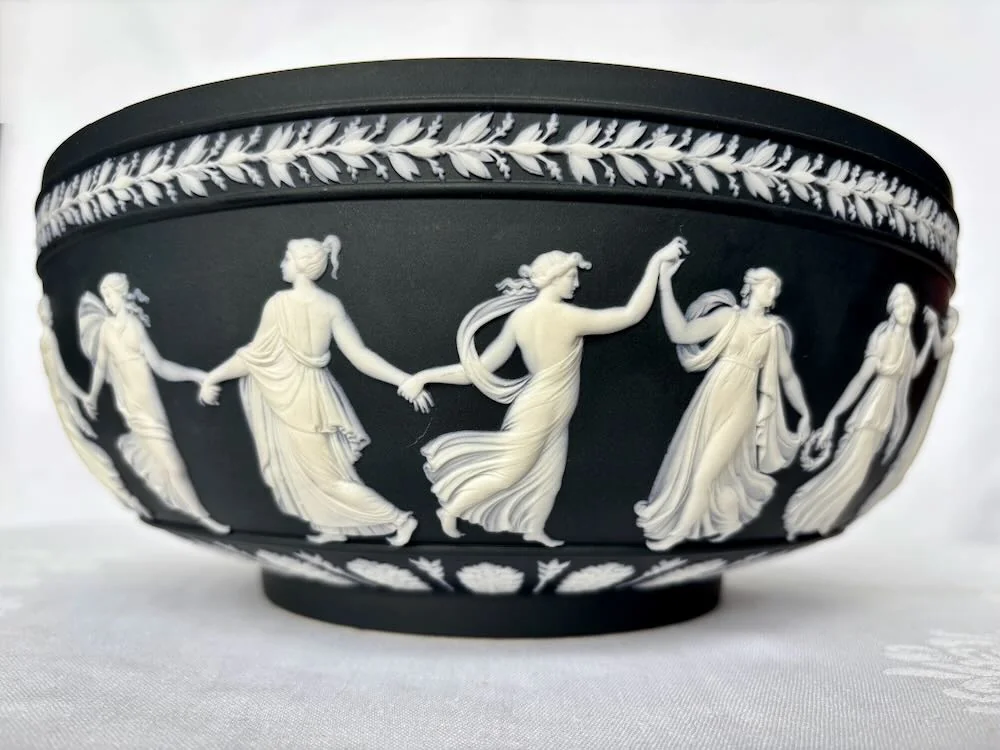
How to Care for and Clean Wedgwood Jasperware Properly
Wedgwood jasperware stands apart from other ceramics. Its soft matte surface and delicate white relief designs give it a refined, sculptural quality. That same unglazed finish, however, makes it more sensitive than standard glazed china. If you want to preserve its beauty and value, you need to approach cleaning with care rather than force. This guide explains how to clean, handle, and store jasperware using simple methods that protect the material.
Why Jasperware Requires Gentle Care
Jasperware does not have a glossy protective glaze. Instead, it has a matte, slightly porous surface that reacts differently to handling and cleaning.
Because of this, it can:
- absorb oils from your hands more easily
- collect dust in the raised decorative details
- show marks if handled roughly
- lose its finish if cleaned with abrasive materials
Understanding this helps you avoid the most common mistakes. With jasperware, prevention always works better than correction.
Everyday Care That Makes a Difference
Daily handling habits will do more to preserve jasperware than any cleaning method. A consistent, light-touch approach keeps the surface clean and reduces the need for deeper cleaning.
Keep these simple practices in mind:
- Handle pieces with clean, dry hands
- Avoid stacking items directly on top of each other
- Keep them out of direct sunlight to prevent fading
- Store in a dry, stable environment
- Dust regularly with a soft cloth or brush
These small steps will keep most pieces in excellent condition without much effort.
How to Clean Jasperware Safely
When cleaning becomes necessary, keep the process gentle and controlled. You want to lift dirt without disturbing the surface. Start with dry cleaning. Use a soft brush or microfiber cloth to remove dust from both flat areas and relief details. In many cases, this will be enough. If the piece still needs attention, move to a light wash. Mix a small amount of mild dish soap with lukewarm water, then dampen a soft cloth. Wipe the surface gently, taking care not to scrub.
Raised decoration requires extra care. Use a very soft toothbrush and move lightly around the details. Let the brush glide rather than press. Finish by rinsing quickly with clean water and drying immediately with a soft, lint-free cloth. Do not let jasperware air dry, as this can leave marks.
What to Avoid When Cleaning Jasperware
Some cleaning methods will cause permanent damage, even if they seem effective at first.
Avoid the following:
- Dishwashers
- Harsh cleaning chemicals
- Abrasive pads or stiff brushes
- Strong scrubbing
- Long soaking in water
Even one improper cleaning can dull the finish or damage the relief work.
Removing Light Stains
Light stains can develop over time, especially on frequently handled pieces. You can treat them carefully without harming the surface.
Use a mild approach:
- Make a paste with baking soda and a small amount of water
- Apply gently with a soft cloth
- Work only on the stained area with very light pressure
- Rinse immediately and dry thoroughly
Use this method sparingly. Repeated use can gradually affect the matte texture.
Cleaning Older or Heavily Soiled Pieces
Older jasperware often needs more attention, but patience matters more than technique. Start by removing dust, then clean with mild soapy water in small sections. Focus on areas where dirt has settled, especially around decorative details. Avoid rushing the process. Slow, careful cleaning will always give better results than aggressive effort.
Handling Jasperware Properly
Handling plays a major role in preservation. Always support the base when lifting a piece. Avoid holding it by rims, handles, or decorative areas. Keep items away from crowded surfaces where they might get knocked over. Also avoid sudden temperature changes, which can stress the material.
Proper Storage Techniques
Storage conditions will influence how well jasperware holds up over time. A stable environment reduces wear and limits the need for cleaning.
For best results:
- Place soft material between stacked pieces
- Store in a dry, low-humidity space
- Keep away from direct heat sources
- Use enclosed cabinets to reduce dust
Good storage protects both the surface and the structure of the piece.
Common Mistakes to Avoid
Most damage comes from well-meaning but incorrect care. Watch for these common issues:
- Using too much water or soaking the piece
- Applying pressure when cleaning delicate details
- Using strong cleaning agents
- Letting the piece air dry
- Cleaning too frequently or aggressively
Avoiding these mistakes will help preserve the original finish.
Can Jasperware Be Repaired?
Minor damage such as small chips or cracks can sometimes be repaired, but the quality of the repair matters. Poor repairs can stand out and reduce value. If the piece is valuable or sentimental, professional restoration is the safest option.
Does Cleaning Affect Value?
Proper care will help maintain value, while improper cleaning can reduce it. Collectors look for pieces that retain their original matte surface and crisp decorative detail. Over-cleaning or using harsh methods can make a piece look altered rather than preserved. A gentle approach will always produce better long-term results.
Final Thoughts
Caring for Wedgwood jasperware does not require complicated techniques. It requires consistency and restraint. Handle each piece with care, clean only when needed, and avoid anything that feels too aggressive. With the right approach, you will preserve both the beauty and the value of your jasperware for years to come.
Also Read:
How to Date Wedgwood Jasperware: Relief, Translucency, Body Color Explained