


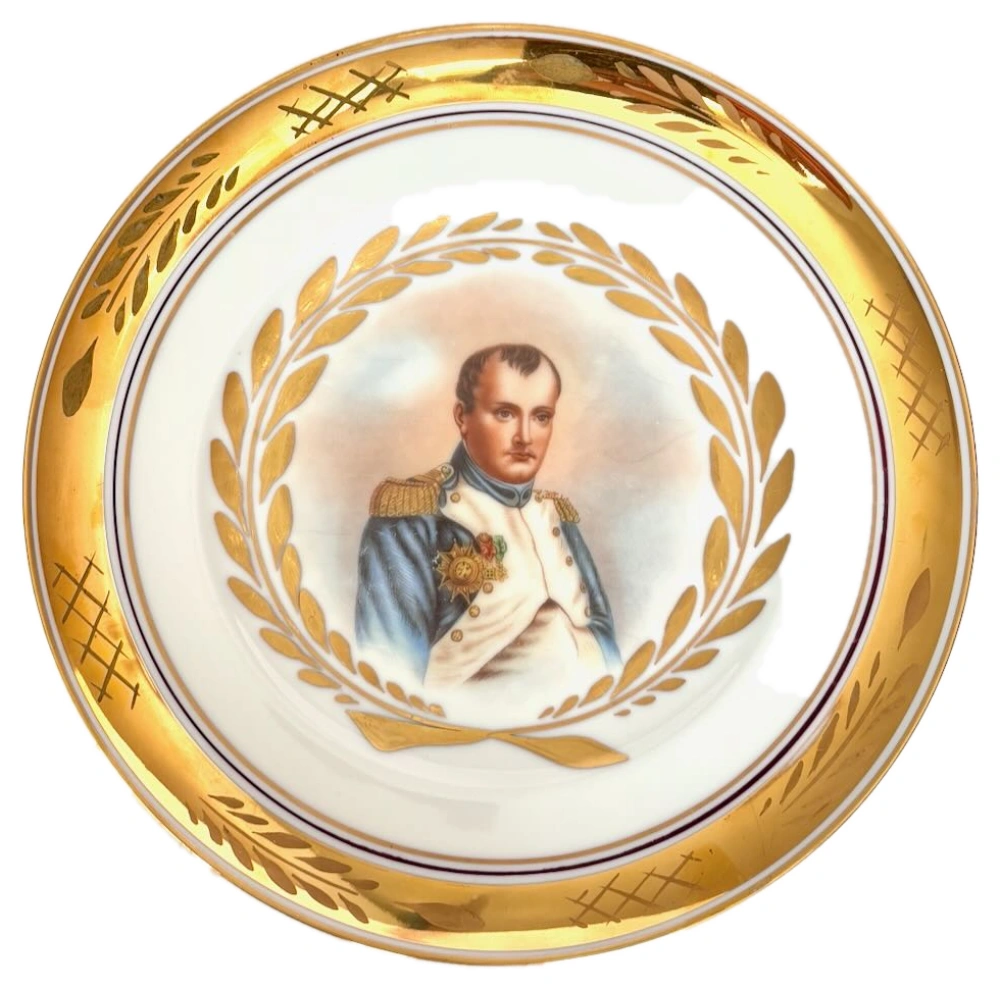
Bing & Grøndahl stands as one of the most respected names in European porcelain. Known for its refined forms, cool Nordic palette, and exceptional craftsmanship, the company shaped the identity of Danish ceramics for more than a century. Collectors value its work for both beauty and technical quality, while designers admire its balance of restraint and detail. When you handle a Bing & Grøndahl piece, you see a clear intention: create objects that feel timeless, not tied to passing trends.
This article explores the history of Bing & Grøndahl, its defining styles, notable lines, and the details that help you identify and value its pieces today.
Founding and Early Years in Copenhagen
Bing & Grøndahl began in 1853 in Copenhagen. Frederik Vilhelm Grøndahl, a skilled sculptor, partnered with merchant Meyer Hermann Bing and his brother Jacob Bing. Together, they set out to build a porcelain factory that could rival established European makers while expressing a distinctly Danish voice.
From the start, the company focused on artistic integrity. Grøndahl brought sculptural expertise. The Bing brothers provided business acumen and market access. This combination allowed the factory to develop quickly. Early production centered on figurines, tableware, and decorative objects. Each piece reflected careful modeling and clean execution.
Denmark at that time encouraged craft and design. The country valued functional beauty, and that philosophy shaped the company’s direction. Rather than imitate heavier continental styles, Bing & Grøndahl leaned toward lighter forms and quieter decoration.
A Danish Aesthetic Takes Shape
As the factory matured, it developed a recognizable aesthetic. Designers favored cool tones, especially blues and soft greys. They used space with intention, allowing decoration to breathe. This approach created a calm visual rhythm that still feels modern.
Hand painting played a central role. Artists applied decoration with precision, often building layers of tone rather than relying on bold outlines. This technique produced subtle transitions in color, especially in landscape scenes and floral motifs.
The company also excelled in sculptural work. Figurines captured movement without excess detail. Faces, garments, and textures felt natural rather than ornate. This restraint became a hallmark of Danish design and helped Bing & Grøndahl stand apart from more elaborate European styles.
The Seagull Pattern and Lasting Popularity
One of the most recognizable contributions from Bing & Grøndahl is the Seagull pattern. Introduced in 1895, it features stylized seagulls in flight over a pale sky, rendered in shades of blue. The design captures the coastal atmosphere of Denmark without overwhelming the form.
The Seagull pattern achieved wide popularity. It appeared across dinner services, cups, plates, and serving pieces. Its success came from its versatility. The design feels decorative yet understated, making it suitable for both daily use and formal settings.
Collectors still seek early examples. Subtle differences in mark styles and painting techniques help date pieces. Even later production maintains strong demand due to the pattern’s enduring appeal.
Christmas Plates and Annual Collectibles
Bing & Grøndahl introduced its first Christmas plate in 1895, the same year as the Seagull pattern. This marked the beginning of a tradition that would influence the entire porcelain industry. Each year, the company released a new plate with a winter scene, usually rendered in blue tones.
These plates became highly collectible. Families displayed them annually, often building complete series over decades. Scenes include snowy landscapes, village life, and quiet moments from Danish culture.
The early plates hold the strongest value. Limited production numbers and age increase their appeal. Later issues remain popular but tend to be more accessible. For collectors, the challenge lies in completing sets or finding early editions in excellent condition.
Figurines and Sculptural Excellence
Bing & Grøndahl earned a strong reputation for figurines. Sculptors focused on natural poses and emotional subtlety. You will often see children, animals, and everyday scenes captured with gentle realism.
Unlike more theatrical figurines from other European factories, these pieces avoid exaggeration. They rely on proportion, posture, and surface detail to convey character. This approach gives them a quiet presence that fits well in both traditional and modern interiors.
Artists signed or marked many figurines. Model numbers and painter’s marks can help identify specific designs. Condition plays a major role in value, especially for pieces with delicate elements such as fingers or thin edges.
Marks, Dating, and Identification
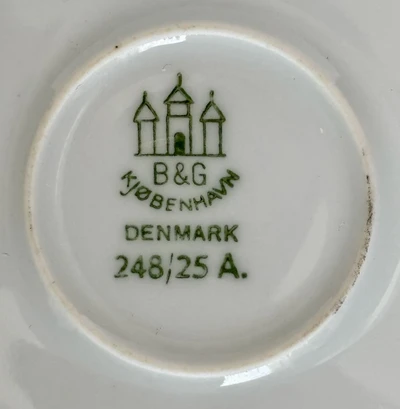
Understanding marks helps you identify and date Bing & Grøndahl pieces with confidence. Early marks often feature the three-tower emblem of Copenhagen. This symbol connects the factory to its city and appears in various forms over time.
You may also find the initials “B&G” along with “Kjøbenhavn” or “Copenhagen.” Changes in spelling and style can indicate production periods. Over time, marks evolved, but they retained core elements that make them recognizable.
Hand-painted numbers appear on many items. These include pattern numbers and painter’s initials. Matching these details with known references can help narrow down dates and confirm authenticity.
Collectors should also examine glaze quality, painting style, and form. These elements often reveal as much as the mark itself.
Bing & Grøndahl Merger with Royal Copenhagen
In 1987, Bing & Grøndahl merged with Royal Copenhagen. This brought together two major Danish porcelain houses. The merger allowed both brands to continue while sharing resources and production capabilities.
After the merger, some pieces carry combined marks. Others maintain distinct branding. For collectors, this period introduces variation. Earlier pieces from Bing & Grøndahl often carry stronger historical value, while later pieces benefit from continued craftsmanship.
Understanding this transition helps you place items within a broader timeline. It also explains why similar styles appear under different marks.
Materials and Production Quality
Bing & Grøndahl used high-quality porcelain known for its strength and translucency. The body feels refined yet durable. When you hold a piece up to light, you often see a soft glow that indicates fine porcelain.
Glazing remains consistent and smooth. Painted decoration sits cleanly within the surface, without bleeding or uneven edges. This level of control reflects skilled firing and finishing processes.
The company maintained strict quality standards. Even everyday wares show careful attention to detail. This consistency supports long-term collectibility and trust in the brand.
Collecting Bing & Grøndahl Today
Collectors approach Bing & Grøndahl from several angles. Some focus on Christmas plates, aiming to complete yearly series. Others pursue Seagull pattern dinnerware for both use and display. Figurines attract those interested in sculptural work and character pieces.
Condition matters. Chips, cracks, and repairs affect value. Gilding wear and surface scratches also play a role, though minor wear can be acceptable for older pieces.
Rarity influences price. Early production, limited runs, and unusual forms often command higher interest. Signed pieces or items with clear painter’s marks can also carry added appeal.
How to Care for Bing & Grøndahl Porcelain
Proper care preserves both appearance and value. Handle pieces with clean hands and support them from the base. Avoid sudden temperature changes, which can stress the material.
Clean gently with mild soap and lukewarm water. Use a soft cloth rather than abrasive materials. Dry immediately to prevent water marks. For display items, regular dusting reduces the need for deeper cleaning.
Store pieces with separation. Soft padding between items prevents contact and surface wear. These simple steps help maintain condition over time.
Why Bing & Grøndahl Still Matters
Bing & Grøndahl continues to resonate because it balances artistry with restraint. The designs do not rely on excess. Instead, they draw strength from proportion, tone, and craftsmanship.
This approach aligns with broader Scandinavian design principles. It values clarity, function, and quiet elegance. As a result, pieces from Bing & Grøndahl fit easily into modern spaces while retaining historical depth.
Collectors appreciate this versatility. Whether you display a single figurine or a full dinner service, the pieces hold their presence without overwhelming the setting.
Final Thoughts
Bing & Grøndahl represents more than a porcelain factory. It reflects a design philosophy that values subtlety, quality, and lasting appeal. From its founding in 1853 to its merger in the late 20th century, the company shaped the identity of Danish ceramics.
When you study its work, you see consistency in both vision and execution. Patterns like Seagull, the tradition of Christmas plates, and the refined figurines all contribute to a legacy that remains relevant today.
For collectors and enthusiasts, Bing & Grøndahl offers a rich field of exploration. Each piece carries a story of craftsmanship and cultural identity. With careful observation and a bit of knowledge, you can recognize that story and appreciate it fully.