

Click to See Aynsley Items in Atelier85 Antique Store
The Story of Aynsley Pottery: From Craft Workshop to Royal Favor
Aynsley Pottery began as a small, skilled workshop and grew into one of England’s most respected names in fine bone china. This transformation did not happen by chance. Instead, it came from the work of two men across two generations—John Aynsley I, the founder, and his grandson, John Aynsley II, the driving force behind its success.
Together, they shaped a legacy that still attracts collectors today. While the founder laid the groundwork, the grandson brought energy, ambition, and personality that pushed the company forward. As a result, Aynsley became known not only for its craftsmanship but also for its story.
John Aynsley I and the Foundation of the Pottery
John Aynsley I established the business in 1775 in Lane End, now known as Longton, in Staffordshire. At that time, the area was already becoming a center for pottery production. However, Aynsley did not begin as a manufacturer of full ceramic pieces. Instead, he worked as an enameller and engraver.
Because of this background, he focused heavily on decoration and finish. His early work showed a strong attention to detail, which later became a defining quality of Aynsley wares. In particular, he became known for his work with lustre decoration. This technique created a metallic sheen on the surface of pottery and required both skill and precision.
Over time, his workshop developed a reputation for quality. Although the business remained relatively modest, it built a solid foundation. More importantly, it established a standard that later generations would expand.
A Legacy Passed Through Generations
As the business continued, it stayed within the Aynsley family. Each generation contributed to its development. However, the most dramatic change came with John Aynsley II.
By the early 19th century, the pottery industry had become more competitive. Larger factories began to emerge, and production methods improved. Therefore, the company needed strong leadership to grow and adapt. John Aynsley II stepped into that role and transformed the business in ways his grandfather could not have imagined.
Determination and Character of John Aynsley II
John Aynsley II, born in 1823, grew up under very different circumstances. His family faced financial difficulty, and he began working at the age of nine. At that time, he earned only a few pence a day. Nevertheless, he showed determination early on.
He did not follow an easy path. Instead, he worked long hours and took on multiple roles. In fact, he reportedly worked up to 16 hours a day across different factories. Because of this effort, he gained deep knowledge of the trade from a young age.
However, his story goes beyond hard work. He also developed a reputation for bold and sometimes unusual actions. For example, he once accepted a challenge from the Duke of Sutherland to drive a pig to market in order to raise money for a local hospital. He completed the task and raised a meaningful sum.
In another instance, he auctioned a donkey for charity. After the donkey died, he had its remains turned into ash. Then, he used that material to create a porcelain figure of the animal. This figure later served as a donation box for the local hospital. These stories show both creativity and a strong commitment to his community.
Building the Aynsley Name
As John Aynsley II gained experience, he began to expand the business. He did not settle for small-scale production. Instead, he focused on growth and quality at the same time.
In 1861, he built the Portland Works on Sutherland Road. This new factory marked a turning point. It allowed the company to move into the production of fine bone china. At the same time, it increased capacity and improved consistency.
Because of these changes, Aynsley began to compete with leading English potteries. The company developed a reputation for refined decoration, strong glazing, and elegant forms. As a result, demand increased both in Britain and abroad.
Royal Recognition and Prestige
As the company grew, it gained recognition at the highest level. In 1891, Queen Victoria granted Aynsley a Royal Warrant. This honor confirmed the company’s reputation for quality and reliability.
Royal recognition did more than add prestige. It also positioned Aynsley as a luxury brand. Customers associated the name with fine craftsmanship and refined taste. Therefore, Aynsley pieces became popular for formal dining, special occasions, and gifts.
The Enduring Appeal of Aynsley China
Today, Aynsley pottery remains highly collectible. Many early patterns, including those from the late 19th and early 20th centuries, continue to attract interest. Collectors value not only the beauty of the designs but also the history behind them.
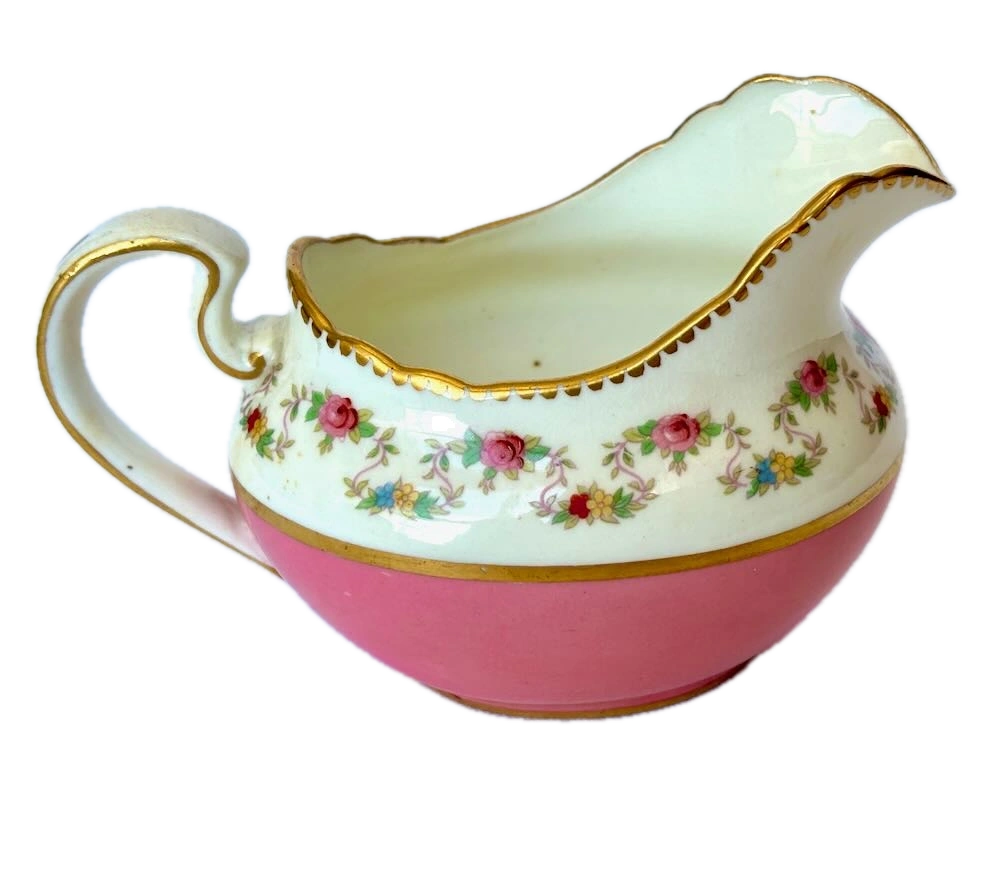
For example, patterns like the well-known pink and floral designs from the early 1900s reflect both technical skill and artistic balance. They also connect directly to the period when the company reached its peak under John Aynsley II.
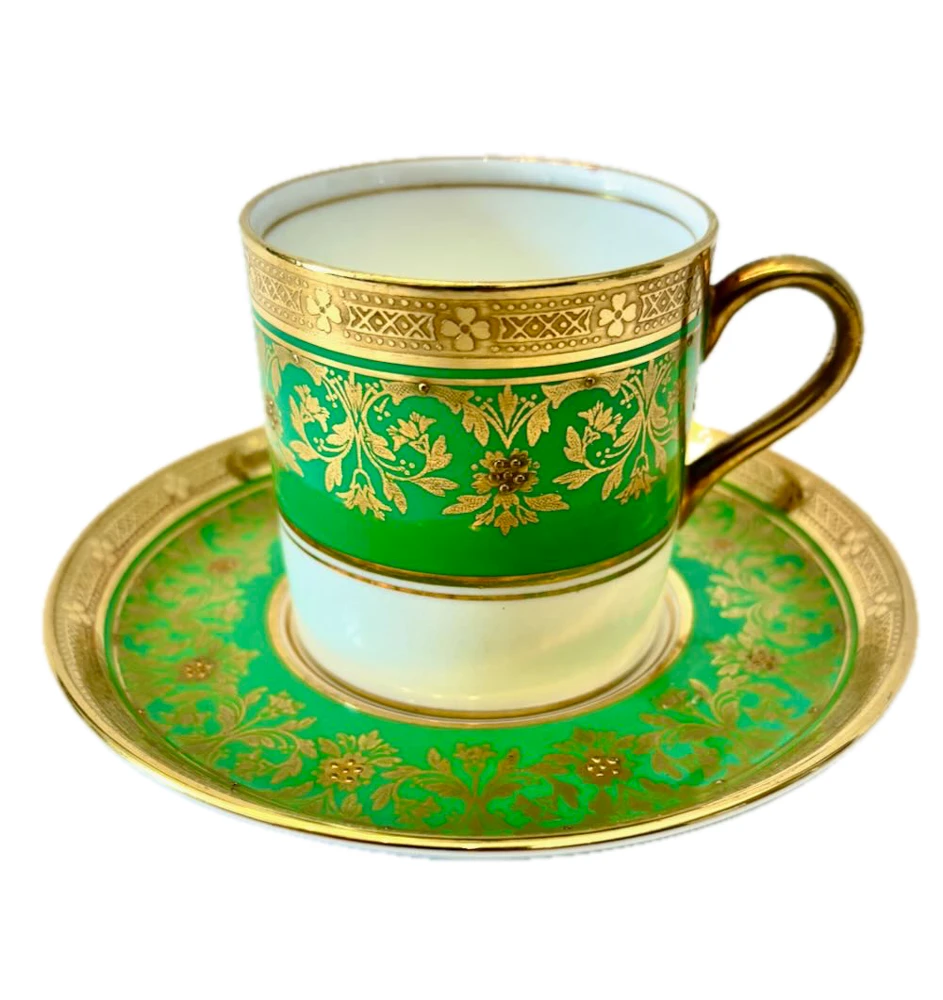
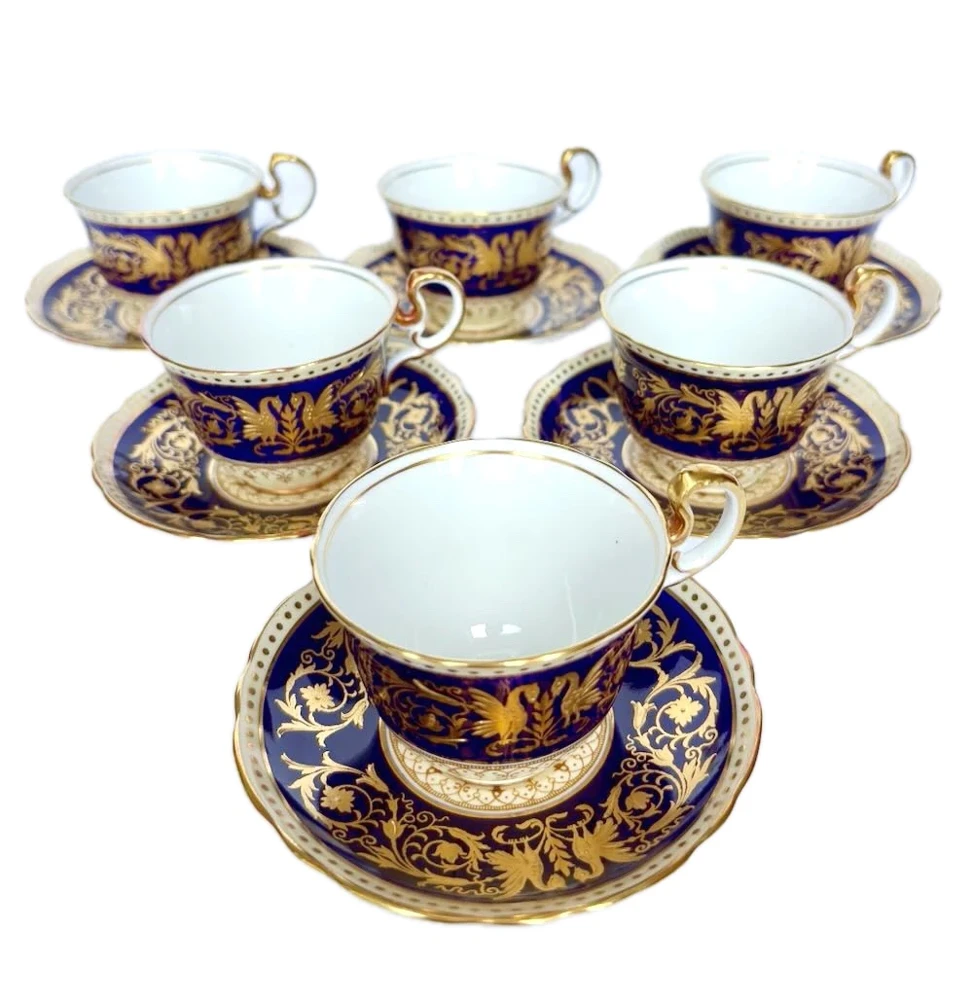
In addition, many of these patterns are now discontinued. Because of this, complete sets can be difficult to find. As a result, individual pieces—such as creamers, cups, and plates—often become important additions to collections.
A Story That Lives On
The story of Aynsley Pottery is not just about ceramics. It is also about persistence, creativity, and growth across generations. John Aynsley I established a strong foundation through skill and attention to detail. Then, John Aynsley II built on that foundation with energy, ambition, and a strong sense of purpose.
Together, they created more than a business. They created a legacy that continues to influence collectors and enthusiasts today. When you hold an Aynsley piece, you see more than decoration. You see the result of decades of craftsmanship, family dedication, and a story that still resonates.
Click to See Aynsley Items in Atelier85 Antique Store