

Coalport Pottery: A Legacy of Innovation, Elegance, and Collectible Beauty
Coalport pottery stands as one of the most fascinating names in British porcelain. Founded in 1795 by John Rose in Shropshire, it quickly grew into a powerhouse of innovation and artistry. Today, collectors value Coalport not only for its beauty but also for its bold approach to design and craftsmanship.
From richly gilded plates to delicate floral creations, Coalport offers something for every collector. If you browse antique porcelain, you will notice how often this name appears—and for good reason.
The Story Behind Coalport Pottery
John Rose did not start small. He built Coalport at a strategic location where the Shropshire Canal met the River Severn. This gave him easy access to materials and distribution routes. More importantly, it placed him at the center of a growing ceramics industry.
He trained at the nearby Caughley works, so he understood both technique and business. When he founded Coalport, he combined skill with ambition. That combination shaped the company’s identity from the beginning.
Coalport quickly gained attention for its quality. By the early 19th century, it had already absorbed other well-known factories such as Nantgarw and Swansea. This move strengthened its technical ability and expanded its design range.
Innovation That Set Coalport Apart
Coalport never followed trends—it created them.
One of its most important breakthroughs came with the development of lead-free glazes. At a time when lead posed serious health risks to workers, this innovation made production safer without sacrificing quality. It also showed how forward-thinking the company was.
Another key innovation involved “blue tracing.” Artists used light blue transfer outlines as a guide for hand painting. This allowed them to work faster while keeping detail sharp and consistent. It improved efficiency without losing the handcrafted feel that collectors love.
Coalport also mastered the art of “jewelling.” Craftsmen applied tiny raised beads of enamel—often turquoise—onto gold surfaces. The result looks almost like gemstones set into porcelain. When you see this effect in person, it immediately stands out.
The Coalport Style: A True Design Chameleon
Many porcelain makers built their reputation around a single style. Coalport took a different path.
It became known for its ability to adapt and reinterpret. The factory produced everything from delicate floral tableware to bold neoclassical designs and richly gilded showpieces. This versatility helped it appeal to a wide audience across Europe.
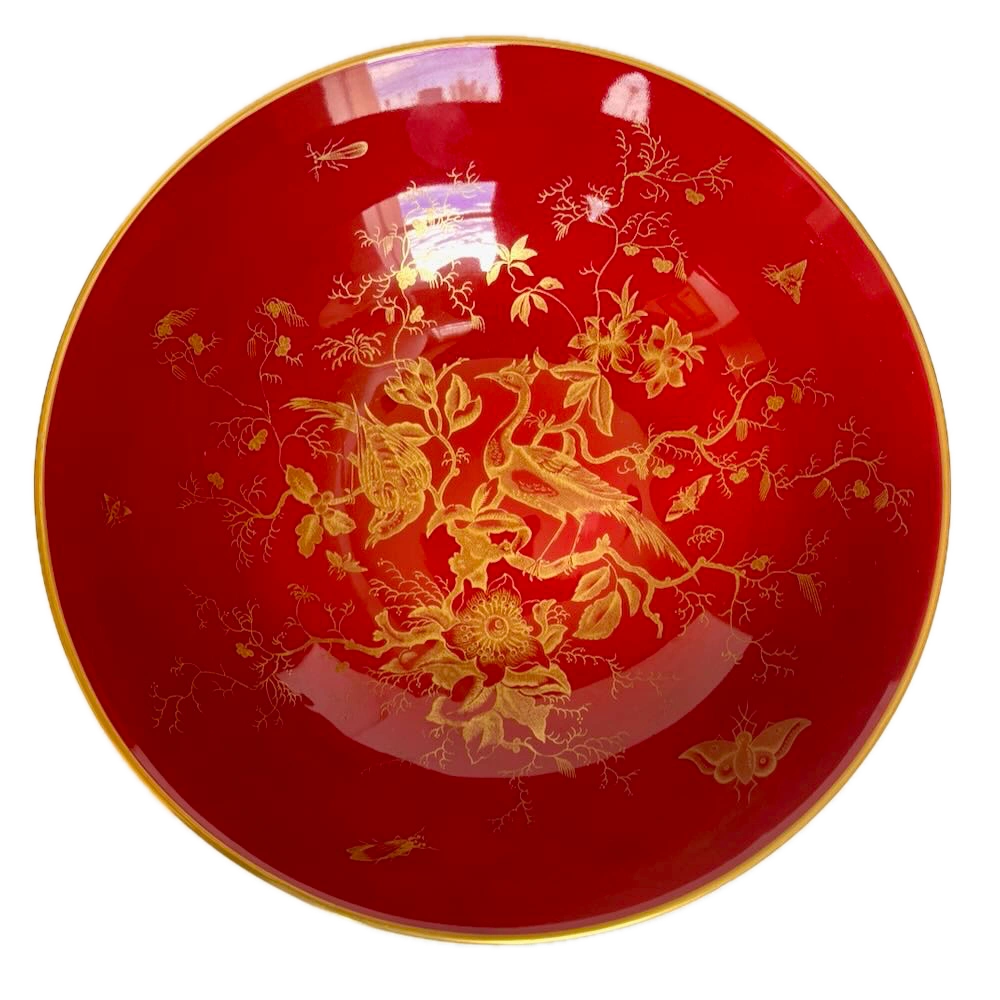
Coalport also recreated popular continental styles with remarkable skill. It produced pieces inspired by French Sèvres porcelain, including the famous rose-pink tones and elaborate gilding. These pieces often rivaled the originals in both beauty and craftsmanship.
This “chameleon” quality makes Coalport especially interesting for collectors. You never feel limited to one look or era.
Royal Connections and Global Reach
Coalport did not remain a local success. It reached an international audience and gained royal recognition.
In 1851, Queen Victoria commissioned an elaborate table service in deep mazarine blue as a gift for Tsar Nicholas I of Russia. This moment confirmed Coalport’s reputation at the highest level of society.
The factory also produced the famous Northumberland Vase for the Great Exhibition of 1851. This monumental piece remains one of the largest porcelain works ever created in a single firing. It demonstrated both technical skill and artistic ambition.
These achievements helped Coalport secure its place among the great names in European porcelain.
Popular Coalport Patterns Collectors Love
Coalport produced a wide range of patterns over the years. Some remain especially popular today, and you will often see them appear in antique shops and collections.
Indian Tree
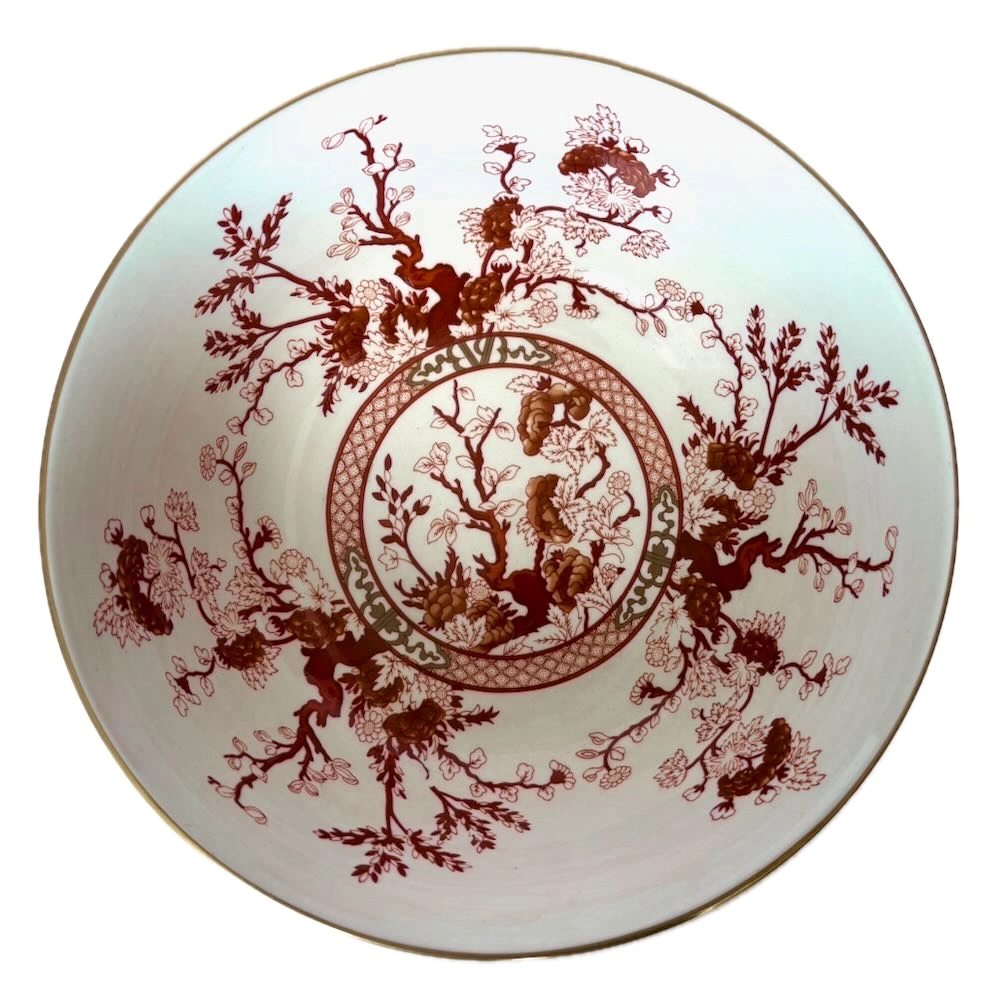
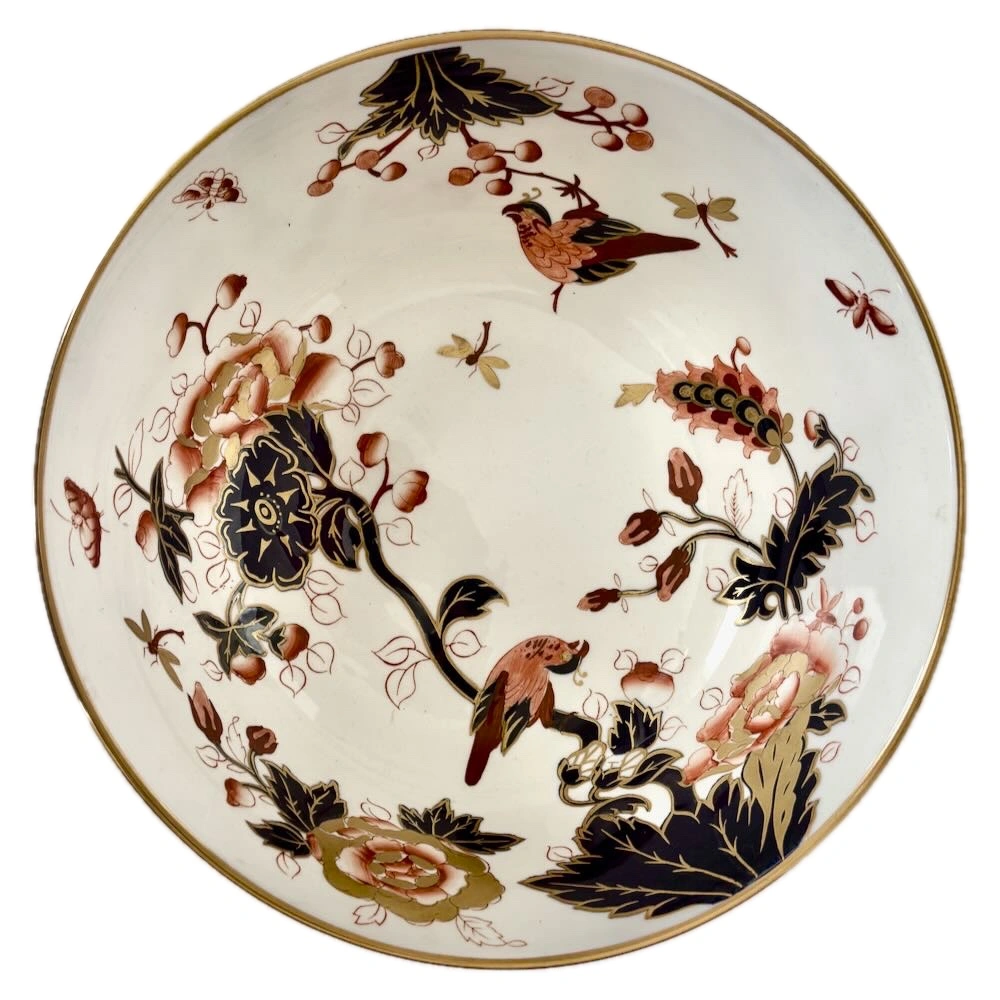
This pattern features vibrant, stylized floral motifs inspired by Asian design. It offers bold color and a timeless appeal that works in both traditional and modern interiors.
Batwing
Batwing designs stand out for their dramatic use of cobalt blue and gold. The pattern often includes rich gilding and scalloped edges, creating a luxurious and formal look.
Countryware
This mid-20th century favorite takes a softer approach. It features white-on-white leaf textures that feel clean, subtle, and highly versatile. Many collectors still use Countryware pieces today.
Coalbrookdale Floral Wares
These pieces push decoration to another level. Artists created fully sculpted porcelain flowers that sit in high relief on the surface. Each flower shows careful handwork, giving every piece a unique feel.
Figurines
Coalport also became well known for its figurines, especially the “Ladies of Fashion” and “Age of Elegance” series. These pieces highlight graceful movement, detailed costumes, and soft color palettes.
When you list Coalport items in your shop, these pattern names help attract collectors searching for specific styles.
How to Identify Coalport Pieces
Backstamps play a key role in identifying this pottery.
Early pieces often appear unmarked, especially those made before 1805. As production grew, the factory began using marks such as “Coalbrookdale” or abbreviated versions like “C. Dale.”
Later pieces introduced crown marks and included “England” or “Made in England.” These details help narrow down production periods and confirm authenticity.
When you turn over a piece, always check the mark. It often tells you more than the design itself.
The Move to Stoke-on-Trent and Later Years
In 1926, Coalport moved production to Stoke-on-Trent, the heart of English ceramics. This shift aligned the company with other major manufacturers and modern production methods.
In 1967, the Wedgwood Group acquired Coalport. This marked a new chapter but also the beginning of gradual change. Over time, production slowed, and the brand eventually faded in the early 2000s.
However, the story did not end there. Some patterns, including Countryware, continued under the Wedgwood name. More importantly, the legacy of Coalport lives on through the pieces collectors still treasure today.
Why Coalport Still Matters Today
Coalport Pottery stands out because it never limited itself. It combined innovation, artistry, and adaptability in a way few factories achieved.
Collectors appreciate the technical achievements, from safer glazes to detailed jewelling. They also value the wide range of styles, which allows them to build diverse collections without leaving the brand.
Whether you choose a richly gilded display piece or a simple textured plate, Coalport offers quality and character.
A Perfect Fit for Collectors and Interiors
Coalport pieces work beautifully in modern homes. You can display them as statement pieces or integrate them into everyday settings.
A gilded plate adds elegance to a wall display. A Countryware bowl brings subtle texture to a dining table. A floral Coalbrookdale piece creates a focal point in a cabinet.
Each item carries history, craftsmanship, and a sense of individuality. That combination keeps collectors coming back.
Final Thoughts
Coalport pottery tells a story of ambition and creativity. From its beginnings in Shropshire to its place in international collections, it reflects both technical progress and artistic vision.
If you collect porcelain or simply appreciate fine design, Coalport offers endless possibilities. Each piece connects you to a rich tradition while still feeling relevant today.